It’s Never Too Late: Benefits to Learning Piano as an Adult - Part 1
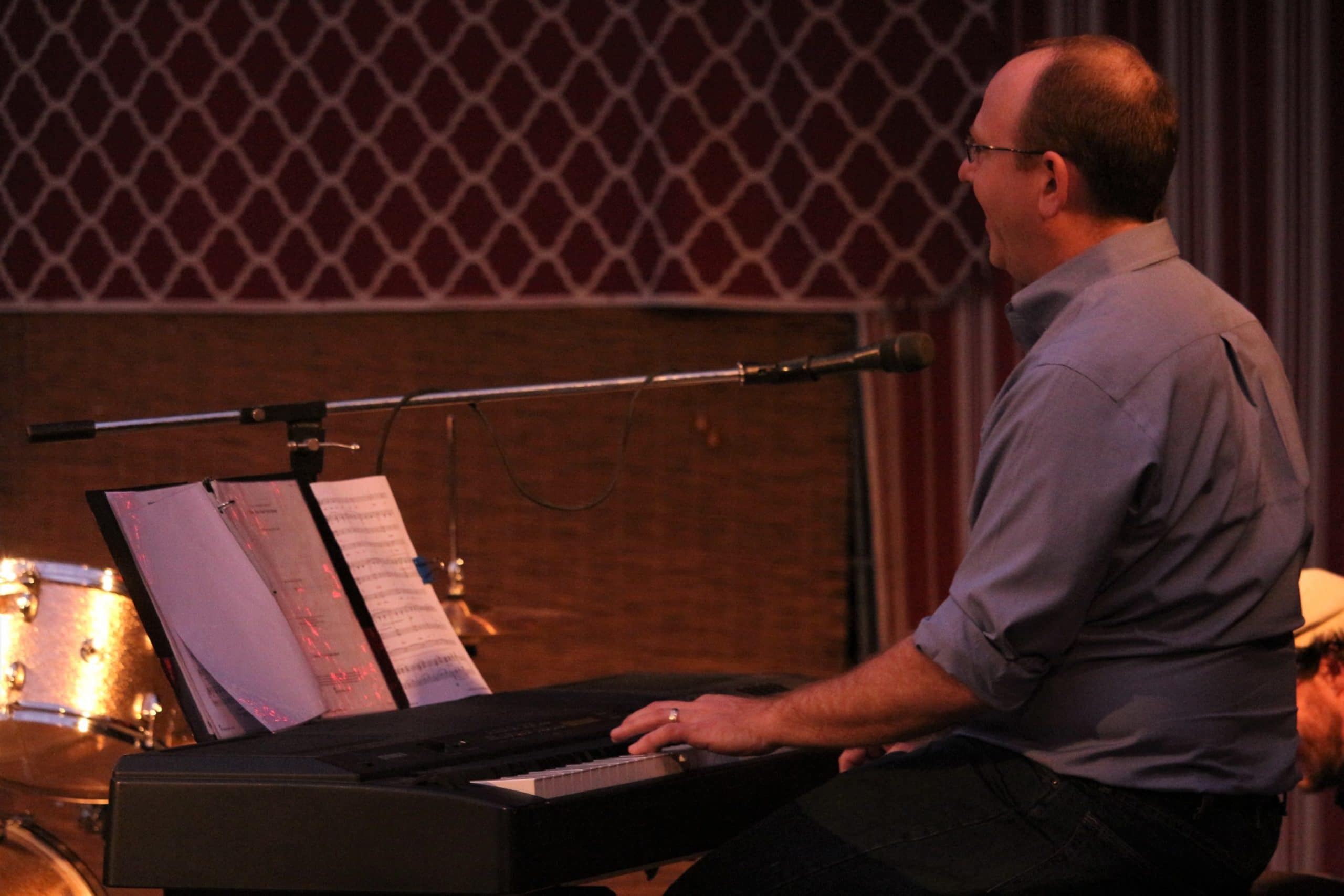
As a professional musician and music instructor, one of the most common questions I get asked by adults is,
“Is it too late for me to learn an instrument?”
And my answer is always the same.
“It’s never too late to start learning an instrument or about music in general.” There’s a huge misconception around learning piano. Many people think that learning in instrument is something we have to start as kids if we want to get good at it. While starting sound has its benefits, of course. There are many unique beefiest learning piano as an adult.
Over the years, I’ve been asked this question so many times that I started doing my own research on the benefits of learning an instrument later in life. What I found is that learning the piano isn’t simply about learning how to read notes or play songs. It can expand your mind, improve you focus, provide an emotional outlet and introduce you to a new community.
This is going to be a three part series exploring all the different benefits of learning piano as an adult. Here are 5 reasons why it’s great to start learning music later in life. For part 1, we’ll dive into five of the reasons why it’s never too late to start learning music!
1. Emotional Benefits
One of the most immediate benefits of playing an instrument is the emotional connection we can develop with it. Playing piano can be a deeply personal and rewarding experience. Whether you’re learning your favorite song, improvising, composing your own song or just spending a few minutes at the piano after a long day. Music give us an opportunity to express ourselves in ways that aren’t always possible through words.
Piano can also be an enjoyable way to relieve stress and create a sense of accomplishment. Every adults knows that life can be busy with work, family, responsibilities and other obligations. Having an activity that is simply yours can be valuable and personally enriching. And this is something that you can develop throughout your lifetime.
2. Stress Relief and Mindfulness
Like I mentioned in the first one, life as an adult can be busy. A lot of things distract us and demand our attention. It can sometimes feel really difficult to find time to slow down.
Piano can be a great way to step away from that constant activity. When you’re sitting at the piano, you’re focused on the music in front of you. You’re listening to the notes, following the rhythm, watching your hands or thinking about what comes next. For a period of time, your attention is directed towards one activity rather than everything else happening around you. That can make practicing feel sort of meditative in a way.
And you definitely don’t have to spend hours at the piano to feel this benefit. Even just sitting down at the piano for 10 or 20 minutes and playing something you enjoy can be a meaningful break from the rest of your day. Making music and piano naturally become a safe space where you are able to slow down, concentrate and just enjoy the moment.
3.) Cognitive Benefits & Improving Memory
Music activates many different part of your mental processes all at once. When leaning a piece of music, you’re using memory, attention, auditory processing, visual processing, coordination and pattern recognition. You’re also constantly recalling information you’ve already learned and are actively applying it to something new. Or if it’s not new and something you’ve been practicing, then it causes your brain to actually grow and form neural pathways through positive repetition. Your brain is actually building positive pathways into solidifying those good habits.
This makes learning an instrument a special form of mental stimulation. One particularly interesting aspect of music and memory is how strongly musical memories can stick with us. Many people heard a song from years ago and suddenly remember a person, place or time period of their lives that they hadn’t thought about in years.
Musical memories can be amazingly resilient. Research into music and dementia has also found that familiar music can sometimes even help evoke memories and emotional responses in people experiences memory loss. Don’t get me wrong, I’m not trying to say learning the piano is any kind of cure for dementia. But there have been many studies towards proving the positive effects in regards to memory. And continuing to challenge your brain with new skills can be a huge part of maintaining a healthy and active mind as you get older.
4.) Creativity and Self Expression
Learning piano isn’t just about reproducing what someone else has written.
It’s about self discovery and creativity.
Once you become comfortable with the basics, you start to learn how to experiment more. You can improvise, write a song, change things about existing songs or just sit at the piano and see what comes to you.
You don’t have to have to consider yourself a “creative” person to benefit from this. Creativity is something that can be practiced. In fact, just like any other skill, it requires it. It give you a structured environment for that experimentation where you feel free to make mistakes, try something new and find what you enjoy. There’s not a correct way to express yourself musically and it’s all valid. And for adults who spend much of their time in structured professional environments, having a creative outlet can be almost essential.
You might be supposed by what you’re capable of creating when you give yourself the permission to let loose and try new things!
5.) Social Connections & Confidence –
Learning an instrument doesn’t have to be a solitary experience. Taking lessons gives you the chance to build a meaningful relationship with your instructor and become part of a learning community. Group classes, recitals, ensembles/ bands and community gatherings can all introduce you to people who share the same interests.
But the social aspects aren’t the only part of this. There is also something satisfying about leaning a piece of music that once seemed impossible. The first time you successful played a song you’ve been practicing for weeks, perform for others or finally master a difficult technique, you’re given something that can be really difficult to find as an adult. And that’s a very real and tangible sense of progress.
You started somewhere. You struggled. You practiced. And eventually, you accomplished something you couldn’t have done before.
That experience can build confidence and remind us that we are constantly growing and learning regardless of our age.
Learning an instrument is a lifelong pursuit. There is always another song to learn or something technique to explore or something style to master. You never have to “finish” learning piano. That’s part of what makes it so rewarding. Whether you’re 18 years old or 88, there is always somewhere new that your musical journey can take you. And that’s the most important thing to remember: It’s never too late to start. I hope you enjoyed this article! I’ll be continuing this series of the benefits of learning piano. So keep an eye out for Part 2 and 3!